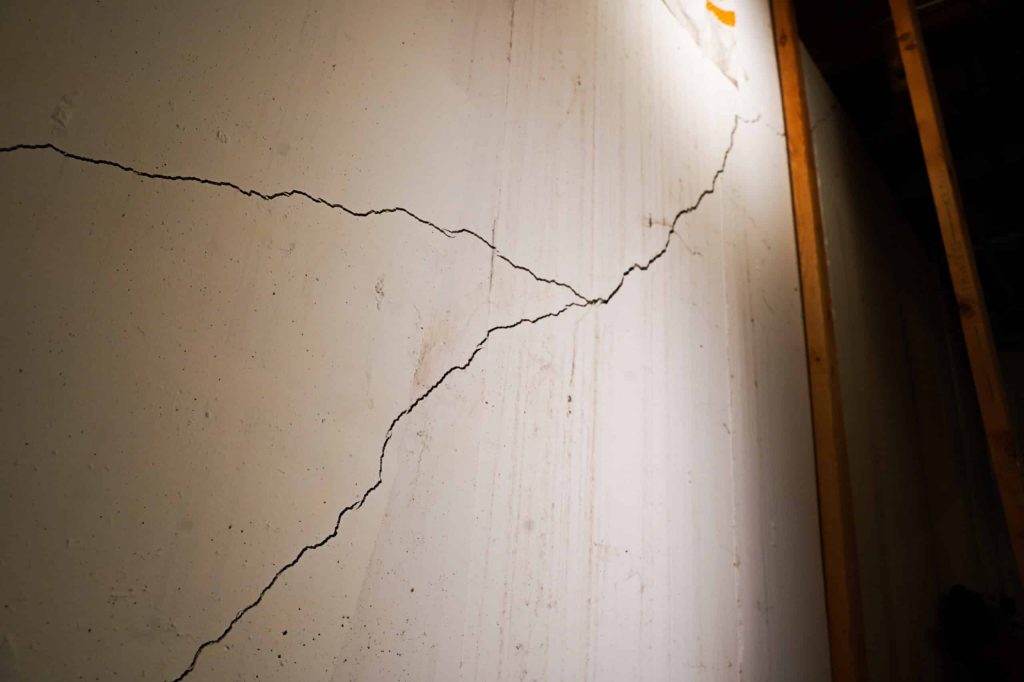
A horizontal crack across a basement wall is more than a cosmetic issue. In many cases, it can indicate that pressure from the soil outside the foundation is pushing the wall inward.
For homeowners in Westchester and Putnam Counties in New York, Fairfield County in Connecticut, and surrounding areas, recognizing the warning signs early can help prevent additional wall movement and more extensive foundation damage.
At Sundahl Waterproofing, we evaluate foundation wall cracks, bowing walls, and other signs of structural movement to help homeowners understand what is happening and determine an appropriate repair approach.
Are Horizontal Foundation Cracks Serious?
Horizontal foundation cracks should generally be evaluated more carefully than small, isolated shrinkage cracks.
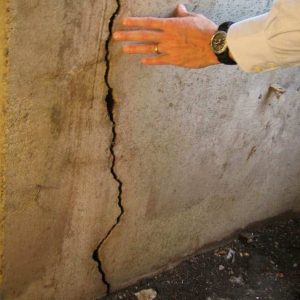
A vertical hairline crack in poured concrete can sometimes develop as concrete cures or as a home experiences minor settlement. A horizontal crack, however, may indicate lateral pressure against the foundation wall.
This pressure can eventually contribute to:
- Bowing or bulging basement walls
- Inward wall movement
- Stair-step cracking in concrete block walls
- Separation near the top or bottom of the foundation wall
- Water intrusion through cracks
- Loss of structural stability if movement continues
The crack itself is only part of the concern. The more important question is why the wall cracked and whether it is still moving.
What Causes Horizontal Cracks in Basement Walls?
Foundation walls must resist pressure from the surrounding soil. When that lateral pressure becomes greater than the wall can adequately resist, cracking and inward movement can occur.
Several conditions can contribute to the problem.
Hydrostatic Pressure Around the Foundation
After heavy rainfall or snowmelt, saturated soil around a foundation can place additional pressure against basement walls.
Poor drainage, clogged gutters, short downspouts, improper grading, and other exterior drainage problems can increase the amount of water accumulating near the foundation.
Expansive or Water-Saturated Soil
Some soils expand as they absorb moisture. Repeated changes in soil moisture can create varying pressure against foundation walls over time.
Freeze-Thaw Conditions
Winters in New York and Connecticut introduce another source of stress. Moisture in the soil can freeze and expand, while repeated freezing and thawing can alter soil conditions around the foundation.
Inadequate Drainage
When water is not directed away from the house, the soil surrounding the foundation can remain saturated for longer periods. Addressing the structural damage without investigating the water source may leave an important contributor unresolved.
Horizontal Crack vs. Bowing Wall: Signs to Watch For
Not every horizontal crack means a wall is about to fail. However, certain symptoms can indicate that the foundation deserves prompt professional attention.
Horizontal Crack With Little Visible Movement
A narrow horizontal crack may be an early indication that the wall has experienced lateral stress, even if significant bowing is not yet visible.
Catching movement at this stage may provide more repair options than waiting until the wall has moved farther inward.
Bowing or Bulging Basement Wall
If the center of the basement wall appears to curve or lean inward, lateral pressure may already have caused measurable movement.
You may also notice:
- A horizontal crack near the middle of the wall
- Stair-step cracks extending toward corners
- Cracks that widen at particular points
- Separation between the wall and adjacent building components
Significant Wall Movement or Shearing
More advanced foundation problems can include substantial inward displacement, movement near the footing, or separation at the top or bottom of the wall.
These conditions should be evaluated promptly. Depending on the extent and cause of movement, additional structural evaluation may also be appropriate before a repair plan is selected.
Can You Seal a Horizontal Foundation Crack?
Sealing a crack and stabilizing a wall are two different things.
Hydraulic cement, polyurethane, epoxy, and other crack-repair materials may be useful in certain applications, particularly when addressing water intrusion. However, sealing the visible crack does not necessarily correct the lateral forces that caused the wall to move.
If a foundation wall is bowing or experiencing structural movement, the repair strategy needs to address that movement—not simply cover the crack.
That is why an inspection is important before choosing a repair method.
Foundation Wall Repair Options
The appropriate repair depends on factors such as:
- Foundation construction
- Location and pattern of cracking
- Amount of inward movement
- Condition of the wall
- Drainage and soil conditions
- Whether movement appears active
- Accessibility inside and outside the basement
Two common approaches to foundation wall stabilization include steel reinforcement and carbon-fiber-based systems.
StablWall Carbon-Fiber Wall Reinforcement
For qualifying foundation walls, StablWall carbon-fiber reinforcement can provide a low-profile method of stabilizing the wall against additional inward movement.
The system uses high-strength carbon-fiber material bonded directly to the foundation wall. Once installed, the reinforcement works with the existing wall to resist further movement.
Potential advantages include:
- Low-profile installation: The reinforcement sits close to the wall rather than projecting significantly into the basement.
- Minimal loss of usable space: This can be particularly valuable in finished or frequently used basements.
- No corrosion: Carbon fiber does not rust like exposed steel can.
- Less invasive installation: Certain applications can be completed without extensive interior demolition or exterior excavation.
- Finish-friendly surface: Depending on the installation, the repaired area may be incorporated into future basement finishing plans.
However, carbon-fiber reinforcement is not appropriate for every damaged foundation wall. Walls with substantial displacement, shearing, severe deterioration, or other structural complications may require a different repair strategy.
A professional evaluation should determine whether the wall is a suitable candidate.
Carbon Fiber vs. Steel Beams for Bowing Basement Walls
Steel beams have long been used to reinforce bowing basement walls and can remain an appropriate solution in certain situations.
The primary difference is how the systems interact with the basement space.
Steel reinforcement is comparatively bulky and may extend into the usable basement area. Carbon-fiber reinforcement has a much lower profile and can be less visually intrusive.
The best option depends on the condition of the foundation—not simply which material is newer.
Sundahl Waterproofing can inspect the cracking and wall movement and recommend a repair approach based on the actual conditions of the home.
Don’t Ignore the Water Problem Behind the Wall
Structural stabilization may only be part of the solution.
If poor drainage or excessive moisture around the foundation is contributing to soil pressure, homeowners should also consider the conditions allowing water to accumulate near the house.
Depending on the property, this may involve evaluating:
- Basement waterproofing
- Interior drainage systems
- Sump pump performance
- Exterior drainage
- Gutters and downspouts
- Grading around the foundation
- Other sources of water intrusion
Addressing both foundation stability and moisture management can provide a more comprehensive approach to protecting the basement.
When Should You Have a Horizontal Foundation Crack Inspected?
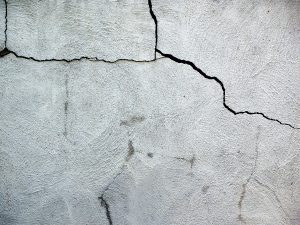
Schedule an evaluation if you notice:
- A horizontal crack extending across a basement wall
- A basement wall that appears bowed or curved
- Stair-step cracking in concrete block
- Cracks that are becoming wider or longer
- New cracks appearing after heavy rain or seasonal changes
- Water entering through foundation cracks
- Movement or separation near the top or bottom of the wall
The sooner the cause is identified, the easier it is to understand what repair options remain available.
Frequently Asked Questions About Horizontal Foundation Cracks
Are horizontal foundation cracks always structural?
Not every horizontal crack represents the same level of damage, but horizontal cracking can be associated with lateral pressure and foundation wall movement. A professional inspection can help determine whether the crack is cosmetic, moisture-related, or connected to a structural problem.
Can a horizontal foundation crack be repaired from inside the basement?
In many cases, yes. Certain foundation stabilization systems, including carbon-fiber reinforcement, can be installed from inside the basement. The appropriate method depends on the wall’s construction, condition, and amount of movement.
Can I repair a horizontal foundation crack with hydraulic cement?
Hydraulic cement may help fill certain cracks, but filling a crack does not stabilize a wall that is moving inward. If lateral soil pressure is causing the crack, the underlying structural issue should also be addressed.
What causes basement walls to bow inward?
Bowing basement walls are commonly associated with lateral pressure from soil and water outside the foundation. Saturated soil, drainage problems, freeze-thaw conditions, and other site-specific factors can contribute to wall movement.
Can carbon fiber repair a bowing basement wall?
Carbon-fiber reinforcement can be an effective stabilization option for certain bowing foundation walls. Whether it is appropriate depends on factors such as the amount of movement, wall condition, foundation type, and whether shearing or other structural damage has occurred.
Do horizontal foundation cracks cause basement leaks?
They can. Once a crack creates an opening through the foundation wall, groundwater may find a path into the basement. However, structural stabilization and waterproofing address different aspects of the problem, so both conditions should be evaluated.
Should I waterproof my basement after repairing a foundation wall?
If water accumulation or drainage problems contributed to the foundation issue, waterproofing or drainage improvements may be recommended as part of a broader solution. The specific needs depend on the source of moisture and conditions around the home.
Foundation Wall Crack Repair in New York & Connecticut
A horizontal crack is a warning sign worth investigating, especially when it is accompanied by bowing, bulging, stair-step cracking, water intrusion, or visible wall movement.
Sundahl Waterproofing provides basement waterproofing and foundation repair services for homeowners throughout its service areas in New York and Connecticut, including Westchester, Putnam, Fairfield, and surrounding counties.
Our approach starts with identifying the condition of the wall and the factors contributing to the problem so you can understand your repair options without high-pressure sales tactics.
See a horizontal crack or bowing basement wall? Contact Sundahl Waterproofing to schedule a foundation assessment and determine the appropriate next step for your home.