

Few sights strike more fear into a homeowner than noticing a wide horizontal fracture running along a basement wall or realizing that a foundation wall is curving inward. Across New York and Connecticut, aging historical homes and modern residences alike face extreme environmental pressures that compromise foundation stability. When basement walls begin to bow, deflect, or shear, addressing the issue quickly is essential to protecting your home’s structural integrity and overall market value.
While foundation issues can feel overwhelming, understanding why these structural warning signs occur and knowing how modern repair methods work will help you take action with confidence.
Recognizing the Warning Signs of Foundation Wall Failure
Vertical Cracks vs. Horizontal & Stair-Step Cracks: Assessing the Risk
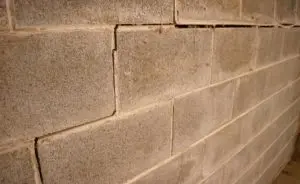
Not all foundation cracks indicate a structural emergency. Vertical hairline cracks are common in concrete foundations; they typically result from natural concrete shrinkage as the material cures during initial construction. While vertical cracks can allow water seepage, they rarely signal imminent structural failure.
Conversely, horizontal cracks and stair-step mortar line cracks are serious structural warning signs. A horizontal crack running midway up a poured concrete or block wall indicates that heavy external soil pressure is pushing the wall inward. In concrete block foundations, this lateral force often manifests as stair-step cracking following the mortar joints, pointing directly to structural overload.
Measuring Wall Inward Deflection (Bowing & Shearing)
As horizontal cracking worsens, the wall begins to deflect inward—a condition known as bowing. In severe cases, the bottom row of concrete block may shear along the floor slab, pushing the lower portion of the wall inward while the base remains fixed. Any inward tilt, curve, or displacement along the foundation wall signals active structural movement.
Visual Indicators: Floor Tile Separation and Jamming Upper-Floor Doors
Structural foundation movement rarely stays confined to the basement. As foundation walls bow inward, the floor joists resting on top of them shift position. Upstairs, this movement creates noticeable symptoms: doors and windows sticking in their frames, floorboards sloping or separating, and diagonal drywall cracks appearing above door openings.
What Causes Foundation Walls to Bow in New York & Connecticut?
Expansive Clay Soil Expansion and Soil Saturation
The primary culprit behind bowing foundation walls in Westchester, Fairfield, and surrounding Tri-State counties is soil expansion. Local soils contain high concentrations of dense clay and heavy glacial till. When heavy rains hit the region, clay soils absorb vast quantities of water, swelling dramatically and exerting immense lateral earth pressure against foundation walls.
Freeze-Thaw Cycles and Lateral Earth Pressure Dynamics
Our northern climate amplifies this lateral force through seasonal freeze-thaw cycles. When water-saturated soil freezes during harsh New York and Connecticut winters, it expands outward and downward. This frost heave places immense hydrostatic and lateral pressure against basement walls, pushing them inward over time.
Poor Exterior Surface Drainage and Clogged Gutters Spilling Near Foundations
Improper surface water management accelerates foundation wall damage. Clogged gutters, damaged downspouts, or improper ground grading allow thousands of gallons of roof runoff to pool right beside foundation walls, creating localized zones of extreme soil saturation and pressure.
Why Structural Wall Damage Cannot Be Ignored
The Risk of Progressive Foundation Shear and Wall Collapse
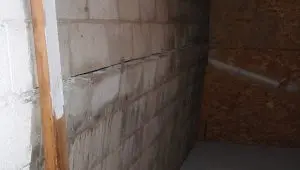
Foundation wall deflection is progressive. Once a wall has cracked and shifted inward, its structural load-bearing capacity is compromised. Leaving a bowing wall unaddressed allows continuous soil pressure to push the wall further out of plumb, eventually risking total wall failure or foundation collapse.
Impact on Real Estate Valuations and Home Inspection Red Flags
Unrepaired structural wall damage is an immediate red flag during real estate transactions. Bank appraisers and home inspectors will flag horizontal cracking and wall bowing immediately, halting potential sales or forcing steep price concessions until certified structural repairs are completed.
Why Simple Mortar Pointing Fails to Stop Structural Movement
Tucking fresh mortar into a horizontal crack or skim-coating the surface with concrete does nothing to counteract external lateral soil pressure. Cosmetic surface repairs mask the underlying damage while the wall continues to shift behind the patch.
Modern Foundation Stabilization Solutions
Restoring stability to a bowing wall no longer requires total foundation replacement. Depending on the severity of the deflection, modern structural engineering provides reliable, permanent reinforcement methods.
- Carbon Fiber Strapping: High-Tensile Stabilization
For walls with minor to moderate inward deflection (typically under two inches), high-grade carbon fiber straps offer a streamlined, non-invasive fix. Engineered to be up to ten times stronger than steel in tensile strength, carbon fiber straps are permanently bonded to the interior wall face using structural epoxy. Once cured, the straps lock the wall in place, preventing any future inward movement without encroaching into basement living space. - Heavy-Duty I-Beam & Wall Anchor Systems for Severe Wall Bowing
When wall deflection exceeds two inches or block shearing has occurred, structural steel I-beams or helical wall anchor systems are installed. Structural steel beams anchor securely to the basement floor slab and upper floor joists, stabilizing heavy inward pressure and, in some cases, allowing the wall to be jacketed or jacked back toward its original position over time. - Addressing the Root Cause: Managing Hydrostatic Pressure
Permanent wall stabilization must be paired with perimeter moisture control. Pairing structural wall reinforcement with sub-floor interior drainage or proper exterior grading ensures that standing hydrostatic pressure is continuously relieved.
Frequently Asked Questions
Are horizontal foundation cracks dangerous?
Yes. Horizontal cracks indicate that external soil pressure is pushing inward against your foundation wall. Unlike minor vertical shrinkage cracks, horizontal cracking signals structural failure and requires an immediate professional evaluation to prevent further wall movement.
Do bowing basement walls mean my house is going to collapse?
While an inward-bowing wall is in a state of structural stress, it rarely collapses overnight. However, ignoring the issue allows ongoing soil expansion to worsen the deflection, dramatically increasing eventual repair costs and risking structural instability if left unaddressed.
Can carbon fiber straps really fix a bowing foundation wall?
Carbon fiber straps are an industry-standard structural solution engineered with exceptional tensile strength. When bonded using high-strength structural epoxy, they anchor the wall permanently, halting further inward deflection without taking up square footage in your basement.
Noticed horizontal cracks or inward bowing on your basement walls?
Early structural intervention saves tens of thousands in major structural repairs. Schedule a clear, straightforward foundation diagnostic with Sundahl Waterproofing. Our team provides expert, low-pressure inspections throughout Westchester, Putnam, Dutchess, Fairfield, New Haven, and Hartford counties.