For homeowners managing premium residential properties, a wet basement is more than a minor inconvenience—it is a direct threat to structural integrity, indoor air quality, and long-term home equity. When minor superficial fixes like topical sealants and downspout extensions fail to keep pace with heavy seasonal rainfall or rising water tables, the conversation must turn to a permanent, engineered solution: a full sub-floor drainage system.
Often referred to as an interior French drain or perimeter drainage system, a sub-floor system is widely considered the gold standard for permanent basement waterproofing. However, because it involves structural excavation inside the home, it requires a clear financial commitment. Understanding the mechanical components, labor complexities, and current 2026 cost variables is essential for evaluating whether this system delivers the right protection and return on investment for your property.
How a Sub-Floor Drainage System Works
Unlike topical sealers that attempt to block water under intense pressure, a sub-floor drainage system works by relieving hydrostatic pressure—the technical term for the force exerted by groundwater pushing upward and inward against your foundation. Instead of fighting this immense hydraulic force, the system creates a path of least resistance, safely capturing and diverting the water before it ever breaks through to your basement floor.
A professionally engineered sub-floor system consists of four primary components working in tandem:

- The Wall Vapor Flange or Membrane: A heavy-duty, clean plastic vapor barrier installed against the lower interior foundation walls. It catches wall seepage or window-well leaks and channels them directly down beneath the floor level.
- The Perimeter Trench and Perforated Pipe: Technicians break out a 12-to-15-inch wide section of the concrete slab floor along the perimeter walls. They excavate a trench down next to the foundation footing, line it with aggregate, and install a perforated PVC drainage pipe pitched perfectly toward a collection basin.
- Washed Crushed Stone: This surrounding gravel filter media prevents fine soil particles from entering and clogging the drainage pipe, ensuring a lifetime of unrestricted water flow.
- The Sump Basin and Pump Assembly: The central collection point where accumulated groundwater is mechanically lifted out of the home and discharged safely away from the foundation structure.
The 2026 Cost Breakdown: What to Expect
Because every foundation is unique, sub-floor waterproofing is priced custom to the property. On average, a professional sub-floor drainage system installation ranges between $8,000 and $22,000 for a standard residential footprint. When broken down by individual project elements, the costs generally align with the following current market benchmarks:
| System Component / Factor | Average Cost Range (2026 Pricing) | Key Variables |
|---|---|---|
| Perimeter Drainage Installation | $40 – $120 per linear foot | Concrete thickness, hand-digging restrictions, slab depth. |
| Heavy-Duty Sump Pump System | $1,500 – $3,500 (Installed) | Pump horsepower, dual-pump configurations, smart alerts. |
| Battery Backup Power Protection | $800 – $1,800 | Concrete thickness, hand-digging restrictions, and slab depth. |
| Wall Vapor Barrier Integration | $1,500 – $4,000 | Wall height, total linear footage, membrane thickness. |
1. Linear Foot Costs ($40 – $120/lf)
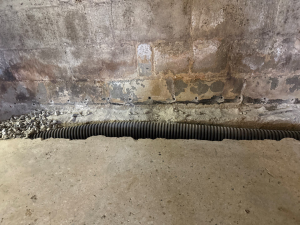
The core of the project cost lies in the physical labor of concrete removal and trench excavation. If your basement features an exceptionally thick concrete slab, old stone footings, or tight access points requiring manual bucket debris removal, expect pricing to lean toward the higher end of the scale.
2. The Core Pumping Station ($1,500 – $3,500)
A sub-floor system is only as reliable as its discharge mechanism. Premium installations utilize airtight, structurally reinforced sump basins paired with heavy-duty dual pumps. This typically includes a primary commercial-grade cast-iron pump and an automated secondary pump to handle extreme water surges during flash floods.
3. Redundancy and Battery Backups ($800 – $1,800)
The worst basement flooding frequently occurs during severe coastal storms and microbursts when municipal power lines go down. For premium asset protection, adding a high-capacity, marine-grade battery backup system is non-negotiable. It ensures your waterproofing system continues running flawlessly even during an extended multi-day blackout.
Key Value Drivers Affecting the Final Estimate
Beyond the raw dimensions of your basement, several property-specific variables will influence a professional contractor’s final proposal:
- Finished vs. Unfinished Spaces: If your basement is already finished, the cost will include the careful removal and replacement of drywall, framing, and flooring along the perimeter to access the concrete slab.
- Foundation Type: Poured concrete foundations offer predictable trenching. Older fieldstone, brick, or cinder block foundations require intricate custom flashing and deep structural detailing to guarantee water cannot bypass the drainage track.
- Existing Indoor Utilities: Navigating around heavy physical obstacles like oil tanks, high-efficiency water heaters, furnaces, and finished plumbing lines adds labor complexity to the excavation phase.
The Bottom Line: An Investment in Property Preservation
While an engineered sub-floor drainage system requires a substantial upfront financial commitment, it should be evaluated as a permanent property asset. Topical patches and temporary sealants only delay structural issues, leading to recurring mold problems, compromised framing, and devalued home equity. By investing in a professionally installed, redundant sub-floor system, you effectively eliminate hydrostatic pressure—protecting your home’s foundation, preserving its market value, and ensuring total peace of mind for decades to come.