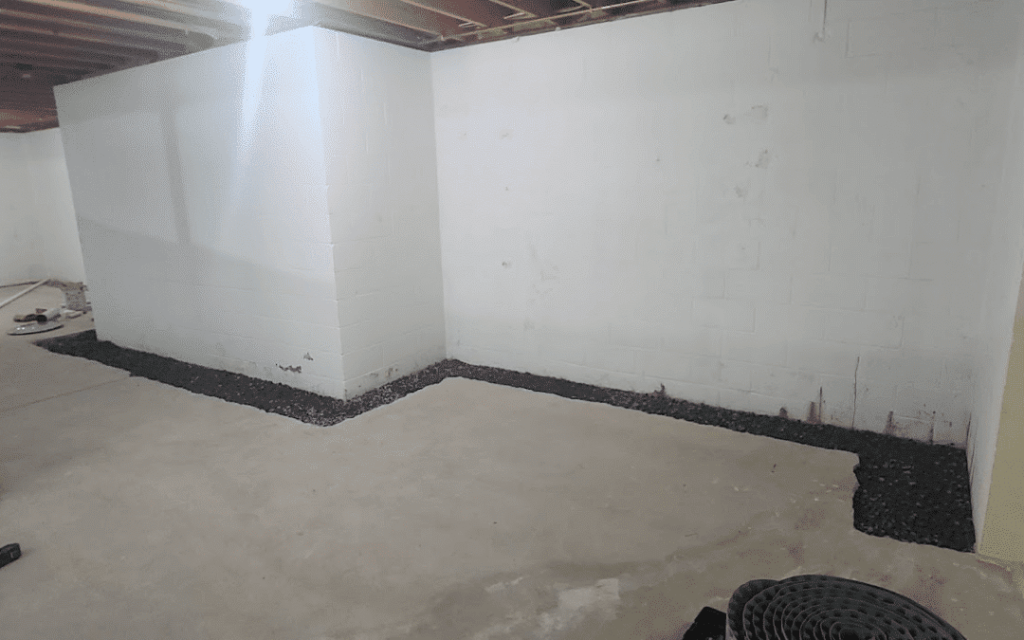
Greenwich, Connecticut, is home to some of the most sophisticated architecture in New England. However, many of these grand estates share a common, hidden vulnerability: the monolithic or “monopour” foundation. While these foundations offer incredible structural strength, they present a unique set of challenges when water begins to infiltrate the basement. Standard, “one-size-fits-all” waterproofing methods often fail in these environments because they don’t account for the specific engineering of a monolithic slab.
At Sundahl Waterproofing Restoration, LLC, we recognize that protecting a Greenwich estate requires more than just a sump pump and a bucket of sealant. It requires a consultative, engineering-first approach that addresses the root cause of water intrusion without compromising the structural integrity of your home’s original pour.
Why Greenwich Homeowners Face Unique Foundation Challenges
The geography of Fairfield County, particularly the coastal and wooded corridors of Greenwich, is defined by diverse soil compositions and a high water table. During heavy New England rainstorms or the annual spring thaw, the soil surrounding your foundation becomes saturated. This saturation leads to hydrostatic pressure—a force powerful enough to push water through even the densest concrete.
In a traditional foundation, the footing and the wall are separate pieces. In a monopour foundation, the footing and the floor are poured as a single, continuous unit. While this creates a seamless structural base, it means that water cannot be diverted using traditional “cove joint” drainage techniques. If a contractor attempts to use standard methods on your monolithic foundation, they risk cutting into the structural “lip” of the pour, potentially leading to settlement issues or wall instability.
The Engineering Failure of “Standard” French Drains on Monopour Slabs
Most waterproofing companies rely on a “jack-of-all-trades” approach. They arrive with a standard jackhammer and a plan to install a generic interior French drain. For a monopour foundation, this is a recipe for disaster. Because there is no separate footing, a standard drain requires deep trenching that can undermine the very base your home rests upon.
Why Cutting into a Monolithic Footing is a Structural Risk
In a monolithic pour, the thickened edge of the slab acts as the footing. When an inexperienced contractor trenches through this edge to lay pipe, they are essentially removing the structural support of the wall. This can lead to “foundation shear” or localized sinking. At Sundahl, our “No-Hassle” promise means we never recommend a solution that trades a dry basement for a compromised foundation.
How Water Migrates Through Seamless Concrete
Even without a traditional joint, water is persistent. It finds its way through microscopic shrinkage cracks or “honeycombing” in the concrete. Because the water is under pressure, it doesn’t just sit; it flows. Specialized Monopour Waterproofing requires a system that relieves this pressure without requiring deep, invasive excavation into the structural concrete.
The Sundahl Solution: Custom-Engineered Drainage for Monopour Homes
We solve the “Monopour Problem” by utilizing specialized, low-profile drainage systems designed specifically for monolithic slabs. These systems sit on top of or alongside the footing rather than through it. By creating a high-capacity path for water to reach the sump system, we relieve the hydrostatic pressure before it can force moisture through your basement floors or walls.
Our process is consultative and transparent. We don’t use high-pressure sales tactics; instead, we explain the engineering behind the solution. We utilize high-capacity, dual-pump systems with digital battery backups to ensure that even during the most severe Fairfield County power outages, your estate remains protected.
Maintaining a “No-Hassle” Environment During Large Restoration Projects
We understand that a Greenwich estate is more than just a building; it is a sanctuary. Our restoration teams operate with the utmost respect for your property. We utilize advanced dust containment systems and maintain a clean, professional job site from the initial inspection to the final walkthrough. Our goal is to provide a permanent structural solution while minimizing the impact on your daily life.
Frequently Asked Questions
Why is my Greenwich basement leaking if there are no seams in the concrete?
While monolithic pours are seamless in theory, they are still prone to “shrinkage cracks” that occur as concrete cures. Additionally, under high hydrostatic pressure, water can be forced through the floor-to-wall transition point, even in a seamless pour.
Will this solution require me to move out of my house during the repair?
No. Our advanced waterproofing and restoration methods are designed to be as non-invasive as possible. We work efficiently within the basement area, utilizing professional-grade equipment that allows you to continue your daily routine upstairs without disruption.
Does this specialized waterproofing increase my home’s resale value?
Absolutely. In the Greenwich and Fairfield County real estate markets, a dry basement with a transferrable warranty is a significant asset. Buyers in this area are highly educated and will often walk away from a property that shows signs of “band-aid” repairs on a monolithic foundation.
Don’t let a generic contractor compromise your monolithic foundation. Consult with the specialized structural experts at Sundahl Restoration today for a no-hassle, engineering-focused evaluation.