
Common Foundation Problems Homeowners Ignore (Until It’s Too Late)
Most foundation problems do not start with dramatic cracks or collapsing walls. They usually begin quietly, with small changes that are easy to dismiss. A hairline crack, a slightly uneven floor, or a basement wall that does not look quite right. Because these signs often appear slowly, many homeowners assume they are harmless or simply part of owning an older home.
At Sundahl Waterproofing, foundation repair often begins after years of these early warning signs being overlooked. Understanding what your foundation is trying to tell you can help you take action before minor issues turn into major structural repairs.
Why Foundation Problems Develop Over Time
Common causes of foundation damage include:
Expansive or shifting soils that swell when wet and shrink when dry
Poor drainage that allows water to build up around foundation walls
Freeze-thaw cycles that stress concrete and masonry
Natural settling as a home ages
These forces work slowly but continuously. Even a well-constructed foundation can develop issues when exposed to years of pressure and moisture.
The Most Common Foundation Warning Signs
Many homeowners live with foundation problems longer than they realize, simply because the signs are subtle at first.
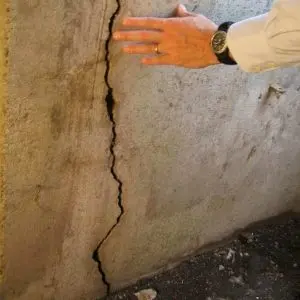
Cracks in foundation walls
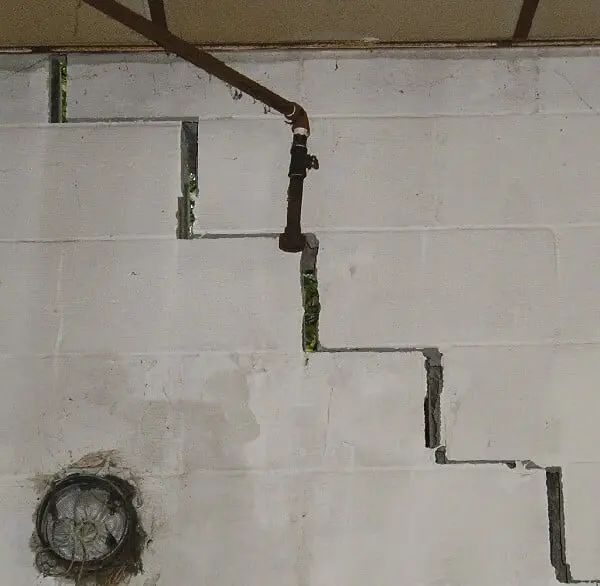
Small cracks are often dismissed as cosmetic, but their location, direction, and width matter. Horizontal cracks or stair-step cracking in block walls can indicate serious pressure from outside soil.
Bowed or leaning basement walls
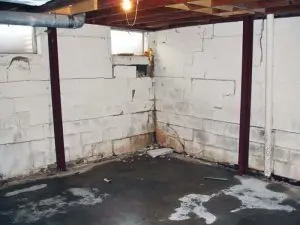
Walls that curve inward are a sign that external pressure is overpowering the wall’s strength. This is not a cosmetic issue. It is a structural concern that usually worsens without professional repair.
Uneven floors and sticking doors
When a foundation shifts, the changes often show up inside the home. Sloping floors, gaps near trim, and doors that stick or will not close properly can all point to foundation movement.
Water intrusion and dampness
Foundation problems and water issues often go hand in hand. Cracks and weakened walls allow moisture to enter, which can accelerate deterioration if left unaddressed.
Why Ignoring Foundation Problems Is So Risky
Foundation damage does not correct itself. In fact, it almost always becomes more expensive to fix the longer it is ignored.
Structural stress increases over time as cracks widen and walls continue to move. What might begin as a manageable repair can eventually require extensive reinforcement if the problem progresses.
There is also a safety component. Severe foundation movement can affect load-bearing walls and compromise the overall stability of the home.
From a financial standpoint, unresolved foundation problems can:
Lower property value
Create red flags during inspections
Limit refinancing or resale options
Early intervention is one of the most effective ways to protect both your home and your investment.
What Professional Foundation Repair Really Means
Foundation repair is not about covering cracks or making walls look better. It is about stabilizing the structure and preventing further movement.
Sundahl Waterproofing approaches foundation repair by first identifying the cause of the problem, then applying the appropriate solution to address it long-term.
Structural wall reinforcement
When basement walls begin to bow or crack due to external pressure, reinforcement systems can restore stability. These solutions strengthen the wall and prevent continued movement without the need for full wall replacement.
Crack repair solutions
Foundation cracks are sealed using professional-grade methods that stop water intrusion and prevent cracks from expanding. Proper crack repair helps protect both the structure and interior spaces.
Addressing pressure and moisture
Foundation repair often works best when paired with moisture control. Reducing water pressure around the foundation helps protect repaired walls and prevents future damage. This is where foundation repair and basement waterproofing naturally work together.
Why DIY Foundation Fixes Fall Short
It is tempting to try patching cracks with store-bought products or painting over problem areas. While these solutions may improve appearance temporarily, they do not address the underlying forces causing the damage.
DIY repairs fail because:
They do not relieve soil pressure
They cannot stabilize moving walls
They often hide warning signs rather than fix them
In some cases, cosmetic fixes can actually delay proper repairs by masking the seriousness of the problem.
How Foundation Repair Protects the Rest of Your Home
Professional foundation repair helps:
Restore structural stability
Protect interior walls, floors, and finishes
Prevent water intrusion through weakened areas
Extend the lifespan of the entire home
Homeowners who address foundation issues early often avoid secondary problems like moisture damage, mold growth, and costly renovations later.
Foundation Repair and Long-Term Home Value
Buyers and inspectors pay close attention to foundation conditions. Visible cracks or bowed walls can raise concerns, even if the damage seems minor.
A professionally repaired and stabilized foundation:
Builds confidence during inspections
Reduces negotiation issues during resale
Demonstrates responsible home maintenance
For homeowners planning to stay long-term or sell in the future, foundation repair is not just a repair, it is a value-preserving decision.
When to Call a Foundation Repair Professional
If you notice any changes in your foundation or interior structure, it is worth having them evaluated sooner rather than later.
Warning signs to take seriously include:
Cracks that are widening or spreading
Basement walls that appear curved or leaning
Repeated water intrusion near foundation walls
Interior structural changes that cannot be explained
A professional assessment can determine whether the issue is cosmetic or structural and what steps are needed to prevent further damage.
A Smarter Way to Protect Your Foundation
Foundation problems often develop quietly, but the consequences of ignoring them can be loud and costly. Addressing issues early allows for more effective, less invasive solutions that protect your home for years to come.
Sundahl Waterproofing focuses on foundation repair solutions designed to stabilize structures, manage pressure, and work hand in hand with moisture control systems. When foundation repair is handled properly, it provides peace of mind and long-term protection.