Crawlspace waterproofing is a critical aspect of maintaining a dry and healthy home. Often overlooked, the crawlspace can be a significant source of moisture problems, leading to mold growth, structural damage, and poor indoor air quality. This article delves into various crawlspace waterproofing techniques, providing homeowners with the knowledge they need to protect their homes effectively.
Understanding Crawlspace Moisture Problems
Before exploring the waterproofing techniques, it’s essential to understand the common causes of moisture problems in crawlspaces. These include high humidity, groundwater intrusion, poor drainage, and inadequate ventilation.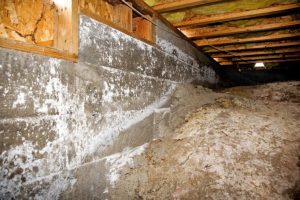 Crawlspaces are prone to high humidity due to their proximity to the ground and limited ventilation. High humidity can lead to condensation, creating an ideal environment for mold and mildew growth. Additionally, humid air can cause wood and other organic materials to rot, compromising the home’s structural integrity. Groundwater intrusion occurs when water from the soil surrounding the crawlspace enters the area. This can happen due to high water tables, poor soil drainage, or heavy rainfall. Groundwater can seep through the walls and floor of the crawlspace, leading to persistent moisture problems. Inadequate drainage around the foundation of the home can result in water pooling near or under the crawlspace. This can increase the risk of groundwater intrusion and create a damp environment conducive to mold growth. Proper ventilation is crucial for maintaining a dry crawlspace. Inadequate ventilation can trap moisture-laden air inside the crawlspace, exacerbating humidity problems. Traditional vented crawlspaces often fail to provide sufficient airflow to keep the area dry.
Exterior Crawlspace Waterproofing Techniques
Exterior waterproofing techniques are designed to prevent water from entering the crawlspace in the first place. These methods focus on managing surface and groundwater around the foundation. Proper grading and landscaping are fundamental to preventing water from pooling around the foundation. The ground should slope away from the foundation, with a recommended slope of at least 6 inches over 10 feet. This helps direct rainwater and runoff away from the crawlspace. Additionally, landscaping features like swales, berms, and rain gardens can effectively manage stormwater. Well-maintained gutters and downspouts are essential for diverting rainwater away from the foundation. Ensure that gutters are clean and free of debris, and extend downspouts at least 4-6 feet away from the foundation. Consider installing downspout extensions or splash blocks to prevent water from pooling near the crawlspace. French drains are trench drains filled with gravel and a perforated pipe that redirects water away from the foundation. These drains can be installed around the perimeter of the home to collect and channel groundwater away from the crawlspace. Proper installation involves ensuring the trench is deep enough and sloped correctly to allow for efficient water flow. Applying waterproofing membranes to the exterior walls of the crawlspace can prevent water from seeping through. These membranes are typically made of rubberized asphalt or polymer-based materials and are applied in a continuous layer to create a watertight barrier. This method is often used in conjunction with other exterior waterproofing techniques for maximum effectiveness.
Interior Crawlspace Waterproofing Techniques
Interior waterproofing techniques focus on managing any water that does enter the crawlspace and controlling humidity levels. Installing a vapor barrier is one of the most effective ways to control moisture in a crawlspace. A vapor barrier is a thick plastic sheet that covers the ground and, in some cases, the walls of the crawlspace. This barrier prevents ground moisture from evaporating into the air and keeps the crawlspace dry. For best results, use a high-quality, durable vapor barrier and ensure it is properly sealed at all seams and edges. Sump pumps are essential for removing any water that accumulates in the crawlspace. These pumps are installed in a sump pit and automatically activate when water reaches a certain level. There are various types of sump pumps available, including pedestal and submersible pumps. It’s important to choose a reliable, high-capacity pump and ensure it is installed correctly. Dehumidifiers are used to reduce humidity levels in the crawlspace. By removing excess moisture from the air, dehumidifiers help prevent mold growth and wood rot. Choose a dehumidifier designed for crawlspaces, with features like automatic drainage and humidity sensors for optimal performance. Interior drainage systems, often referred to as perimeter drains, are installed along the interior walls of the crawlspace. These systems collect water that enters the crawlspace and channel it to a sump pump for removal. Proper installation involves creating a trench around the perimeter, installing a perforated pipe, and backfilling with gravel.
Encapsulation
Encapsulation is a comprehensive crawlspace waterproofing solution that involves sealing the entire crawlspace from outside moisture and air. This method includes installing a vapor barrier on the floor and walls, sealing vents and other openings, and sometimes adding insulation. Encapsulation provides several benefits, including improved indoor air quality, increased energy efficiency, and protection against mold and pests. By creating a sealed environment, encapsulation prevents moisture from entering the crawlspace and reduces the risk of structural damage.
Steps for Encapsulation
- Clean and Prepare the Crawlspace: Remove any debris, standing water, and mold before starting the encapsulation process. Repair any foundation cracks or structural issues.
- Install a Vapor Barrier: Cover the entire crawlspace floor with a high-quality vapor barrier, extending it up the walls and sealing all seams and edges.
- Seal Vents and Openings: Close off any vents, gaps, or openings to prevent outside air and moisture from entering the crawlspace. Use foam insulation or sealant to ensure a tight seal.
- Install a Dehumidifier: Add a crawlspace-specific dehumidifier to control humidity levels and maintain a dry environment.
- Optional Insulation: Consider adding insulation to the walls and floor of the crawlspace to improve energy efficiency and comfort.
Maintaining a Dry Crawlspace
Proper maintenance is crucial for ensuring the long-term effectiveness of your crawlspace waterproofing efforts. Regular inspections and upkeep can help prevent moisture problems and protect your home. Conduct regular inspections of your crawlspace to check for signs of moisture, mold, or structural damage. Look for damp spots, standing water, musty odors, and any signs of pests. Address any issues promptly to prevent them from worsening. Ensure that gutters and downspouts are clean and functioning correctly to direct water away from the foundation. Check for clogs, leaks, and damage, and make repairs as needed. Use a hygrometer to monitor humidity levels in the crawlspace. Aim to keep humidity levels below 60% to prevent mold growth and wood rot. Adjust your dehumidifier settings as necessary to maintain optimal humidity levels. Regularly inspect the vapor barrier for any signs of damage or deterioration. Repair any holes, tears, or loose seams to ensure the barrier remains effective in preventing ground moisture from entering the crawlspace. Crawlspace waterproofing is essential for maintaining a dry, healthy, and structurally sound home. By understanding the common causes of crawlspace moisture problems and implementing effective exterior and interior waterproofing techniques, homeowners can protect their investment and ensure a safe living environment. Regular maintenance and inspections are key to long-term success. When in doubt, consulting a professional can provide peace of mind and ensure that your waterproofing efforts are effective. Contact the Professionals at Sundahl Waterproofing Today! (914) 639-6344