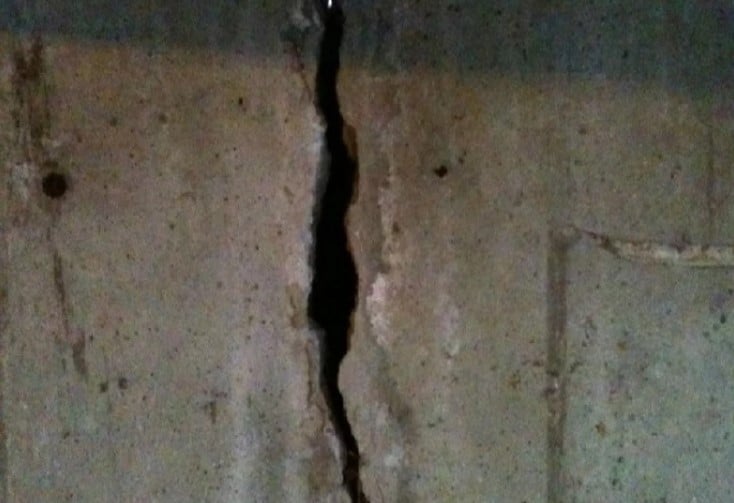
Like the people who inhabit them, homes age over time. For all of our sags and wrinkles, your structure will develop as many foundation cracks. We’re in it together, our homes and us. The good news is, it’s mostly possible and relatively easy to fix a foundation crack on your own. Minor cracks that show no leaking may only need a surface repair. Those that leak may need further attention by a professional. After you’ve identified your foundation cracks, and (if needed) reviewed with a professional to what degree they may have compromised your foundation walls, you can get to the business of repairing. Below are some tips that should help you “crack” the code when debating options for repairing your foundation cracks: Caulk Crack Repair Patching a leaking crack with a caulk seal is merely topical. While all looks well on the outside, water is still filling the crack behind the patch. Efflorescence, a white, powdery mineral salt that is deposited by the water, will break the caulk’s seal, and the pressure from the water will cause it to peel off. Hydraulic Cement Crack Fillings If you happen to have the machinery handy, you can chisel your cracks into inverted V-grooves and fill them with hydraulic cement. This rigid cement will plug the hole nicely, but it bonds poorly. So as temperatures and moisture levels fluctuate, the concrete walls shift weakening the cement. Efflorescence can also begin to work its way around the plug and allow water to leak through. Epoxy Crack Injections Injecting epoxy, or even grout, into a foundation crack to seal it are powerful, good options that can even make the wall stronger. Fixing Wall Cracks from the Exterior Feeling like a weekend warrior? Here’s the fix you’ve been looking for! Effective, yet extreme, this method involves excavating the entire outside of the wall where the crack appeared. Of course that means landscaping, sidewalks, steps, gardens, porches, and anything else in the way will need to be removed. After that, install multiple layers of synthetic waterproof material to prevent any further movement of the wall and lock water out. Sounds pretty permanent, right? Sadly, the excavated soil will eventually begin to settle, and it will need to be regraded in about a year so water does not pool around the foundation causing future problems. Urethane Injection One of the better methods of sealing leaking cracks is to inject it with urethane. Unlike rigid alternatives, it can flex slightly with wall movement, allowing its staying power to last longer. However, a 1/16th inch crack can easily expand to 1/8th inch, and urethane can’t. Put two and two together; it’s not a permanent solution. Polyurethane Polymer Injection An excellent method for repairing a leaking wall crack is to inject a high-viscosity polyurethane polymer into it. Unlike epoxy, polyurethane bonds well to both wet and dry concrete, and its high viscosity allows it to fill even hairline cracks. Better than Urethane, it can also expand as much as 20 times its volume! This means its sealing power will not be weakened as the wall continues its natural process of shifting and moving. Still not certain which is the right fix for your situation? Contact a specialist for a second opinion today!