
Polyjacking
Polyjacking vs. Mudjacking: The Modern Way to Level Concrete in Fairfield County
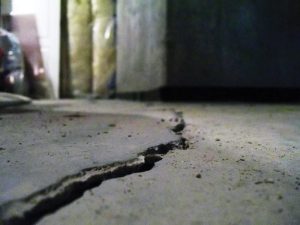
If you own a home in Fairfield County, you are likely familiar with the shifting landscape. From the coastal winds of Westport to the rolling hills of Ridgefield, the soil beneath our feet is rarely static. When the ground settles, the concrete slabs above—your driveway, patio, or pool deck—often sink, crack, and become hazardous. For decades, the go-to solution was “mudjacking,” but a modern alternative has taken over the industry: Polyjacking.
At Sundahl Restoration, we believe in providing Fairfield County homeowners with permanent solutions rather than temporary fixes. Understanding the technical differences between these two methods is essential for protecting your property’s value and ensuring the safety of your family and guests.
What is Mudjacking? The Traditional Approach
Mudjacking is a traditional concrete repair method that involves drilling large holes (often 2 inches in diameter) into a sunken slab. A heavy slurry, usually a mixture of sand, water, and Portland cement, is pumped through these holes to fill the void beneath. The pressure of the slurry eventually forces the slab upward to its original position.
While mudjacking has been used for over half a century, it has significant drawbacks in the New England climate. The slurry itself is incredibly heavy—weighing up to 100 pounds per cubic foot. In many cases, adding this massive weight to already unstable or poorly compacted soil causes the slab to sink again just a few years later.
The Modern Solution: High-Density Polyjacking
Polyjacking (also known as polyurethane foam injection) represents the evolution of concrete restoration. Instead of a heavy cement “mud,” we inject a lightweight, high-density structural foam through tiny, penny-sized holes. As the liquid foam enters the void, it expands rapidly, lifting the concrete with surgical precision.
This method is not just about the lift; it is about soil stabilization. The foam expands to fill every nook and cranny, compacting the loose soil and creating a waterproof, stable base that prevents future erosion.
Why Polyjacking Wins for Fairfield County Homeowners
When comparing these two methods, polyjacking is the clear winner for several technical and practical reasons:
1. Minimal Disruption and Speed
Mudjacking is a messy, multi-day process. The slurry takes 24 to 72 hours to fully cure before you can drive a car on it. Polyjacking, on the other hand, cures almost instantly. You can typically return your driveway or walkway to full service within 15 to 30 minutes of our team finishing the job.
2. Longevity in the New England Climate
Fairfield County experiences intense freeze-thaw cycles. Mudjacking slurry is porous and can absorb water; when that water freezes, the slurry can crack and wash away over time. Polyurethane foam is completely waterproof. It will never wash out, nor will it be affected by the salt and chemicals used during Connecticut winters.
3. Aesthetics and “Invisible” Repairs
No homeowner wants their driveway to look like a checkerboard of large, patched holes. Because polyjacking uses injections holes smaller than a dime, the repair is virtually invisible once we apply a matching color-coordinated grout. Mudjacking requires holes the size of a soda can, which remain visible for the life of the concrete.
Common Applications for Concrete Leveling
We utilize polyjacking to save homeowners up to 70% compared to the cost of tearing out and replacing concrete. Common projects include:
- Driveways: Eliminating the “lip” at the entrance of your garage that can damage tires.
- Pool Decks: Removing trip hazards near the water where children run.
- Walkways and Steps: Ensuring your home remains accessible and safe for visitors.
- Garage Floors: Stabilizing slabs that have sunk due to poor initial soil compaction.

FAQ: Concrete Leveling in Connecticut
Q: Is polyjacking more expensive than mudjacking?
A: The upfront cost of polyjacking can be slightly higher due to the advanced materials used. However, because it is a permanent solution that won’t require a “re-do” in three years, it is the most cost-effective long-term investment for your home.
Q: Will polyjacking work if my concrete is badly cracked?
A: If the concrete is still in large, solid sections, we can usually lift and level it. If the slab has crumbled into many small pieces, replacement might be necessary. We provide a free assessment to determine the best path forward.
Q: How long does the polyurethane foam last?
A: Polyurethane foam is an inert material that does not biodegrade. It is designed to last as long as the concrete slab itself, provided the surrounding drainage issues are addressed.
Restore Your Property with Sundahl Restoration
Sunken concrete is more than just an eyesore; it is a liability. Whether you are dealing with a tilting patio in Danbury or a sinking sidewalk in Greenwich, the experts at Sundahl Waterproofing Restoration are here to help. Our “No-Hassle” approach means you get honest advice and master-level craftsmanship every time.
Don’t wait for a trip-and-fall accident to happen. Protect your home and your wallet by choosing the modern, efficient, and permanent solution for concrete leveling.